





 Certified Service
The Importance of Regular Tire Rotation on Wyoming Roads
Maintaining even tread wear is a fundamental part of vehicle safety, especially when navigating the diverse terrain of central Wyoming. Because the front tires on most vehicles handle the majority of steering and braking forces, they tend to wear down much faster than the rear set. By moving each tire to a different position on the vehicle at regular intervals, you ensure that no single tire bears a disproportionate amount of the workload. This simple maintenance step directly impacts how your vehicle handles during sudden stops or sharp turns on the relatively flat plains surrounding Riverton.
For those who frequently drive toward the Wind River Mountains for hunting or fishing, tire health becomes even more critical. Unevenly worn tires can lose their ability to grip the road effectively, which increases the risk of hydroplaning on wet surfaces or sliding on icy patches. When you prioritize routine care, you are not just extending the life of your rubber; you are protecting the structural integrity of your vehicle's connection to the road. Our team at 1401 N Federal Blvd sees firsthand how the grit and gravel of rural routes can accelerate wear if the tires aren't moved around.
Properly rotated tires also contribute to better fuel economy. When tread wear is uneven, it can create rolling resistance, forcing your engine to work harder and consume more gas to maintain speed. If you have noticed a slight vibration in the steering wheel or a decrease in your miles per gallon, it may be time to schedule a service appointment for a professional inspection. Taking care of this early can prevent the need for premature replacements, saving you a significant amount of money over the life of your vehicle.
If you are unsure when your last service was performed or want to check for signs of irregular wear, feel free to give us a call at (307) 240-3110 for a quick consultation. We understand that your time is valuable, and keeping your truck or SUV in peak condition is the best way to ensure it remains rugged and reliable for your daily commute or weekend adventures.
Determining Your Vehicle's Ideal Tire Rotation Schedule
Following the manufacturer’s recommended interval is the most effective way to keep your tires in top shape. For many modern vehicles, such as the 2024 Chevrolet Silverado 1500, the owner’s manual suggests a rotation every 7,500 miles. This standard applies to most normal driving conditions, including light towing and standard 4WD use. However, Wyoming’s extreme seasonal shifts and the frequent use of unpaved roads near Lander often qualify as "severe" driving conditions, which may require you to move that interval up to every 5,000 miles.
The specific drivetrain of your vehicle also dictates how the tires should be moved. Front-wheel-drive vehicles typically require a "Forward Cross" pattern, where the front tires move straight back to the rear, but the rear tires switch sides as they move to the front. Conversely, many rear-wheel and four-wheel-drive trucks utilize a "Rearward Cross" or an "X-Pattern" to account for the different torque loads placed on the axles. If you are currently browsing our current Chevrolet inventory to find a vehicle capable of handling heavy ranch work, remember that consistent maintenance is what keeps those heavy-duty components performing as intended.
Monitoring your odometer is the easiest way to stay on track, but physical cues are just as important. If you notice that the front tires look significantly smoother than the rears, or if the "shoulders" of the tire are showing more wear than the center, you should not wait for the 7,500-mile mark. Consistent rotations are especially vital for all-wheel-drive systems, as significant differences in tread depth between tires can put undue stress on the center differential, potentially leading to expensive mechanical repairs down the road.

Understanding Tire Wear Patterns and Identifying Cupping
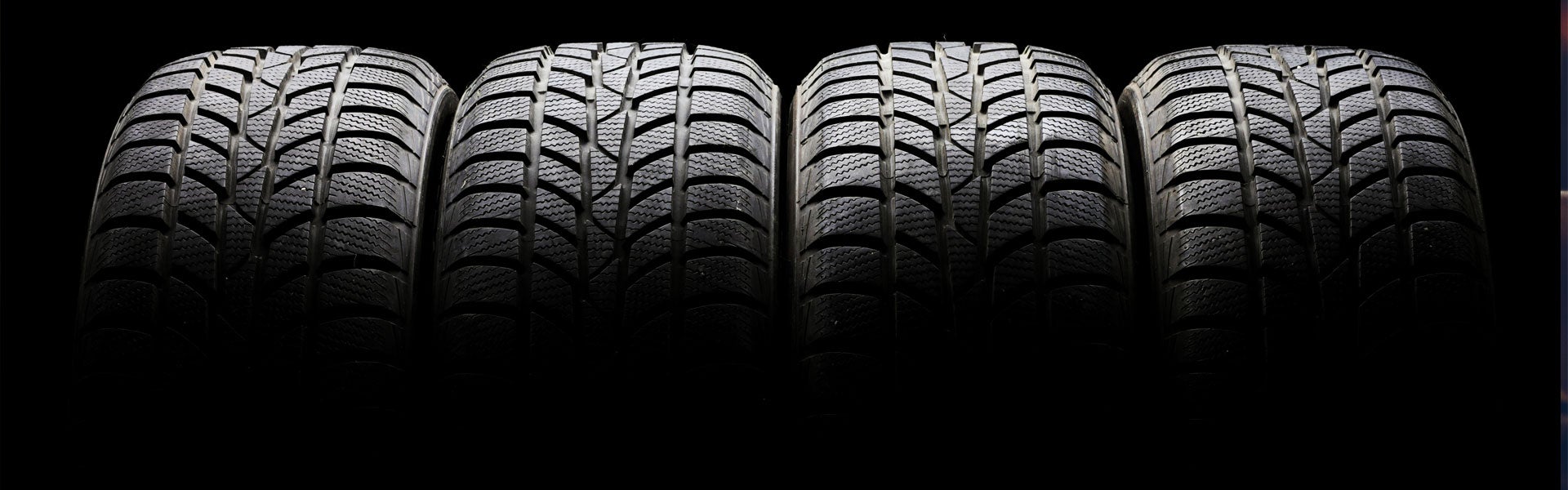
What does "cupping" on a tire look like? This specific type of wear appears as dipped, scalloped, or wavy divots across the surface of the tread. Unlike standard wear, which happens gradually over the whole tire, cupping is usually a sign that the tire is "bouncing" as it rolls down the road. This is frequently caused by worn-out shock absorbers or suspension bushings that can no longer keep the tire firmly planted against the pavement. When we walk customers through their multi-point inspections, we often point out that cupping is a red flag that goes beyond the tires themselves and points to a need for suspension work.
Other wear patterns can tell a detailed story about your vehicle's health. For instance, "feathering" occurs when the tread blocks become worn smooth on one side and remain sharp on the other, which is a classic symptom of an alignment issue. If you find that the center of the tread is wearing out faster than the edges, your tires are likely overinflated. If the edges are wearing while the center remains deep, they are underinflated. These issues are common for those making the long highway trek between Riverton and Casper, where sustained speeds can highlight even minor imbalances.
Addressing these patterns early is the best way to avoid a total tire failure or a blowout. If you notice unusual road noise—often described as a rhythmic "growl" or "hum"—it is a strong indicator that the tread has developed an irregular pattern. Our technicians use specialized equipment to diagnose these issues accurately. While our finance center is always available to discuss service payment options for larger repairs, catching wear patterns like cupping early through regular rotations can often prevent those larger costs from ever developing.
The Mechanics of Tire Rotation and Wheel Balancing
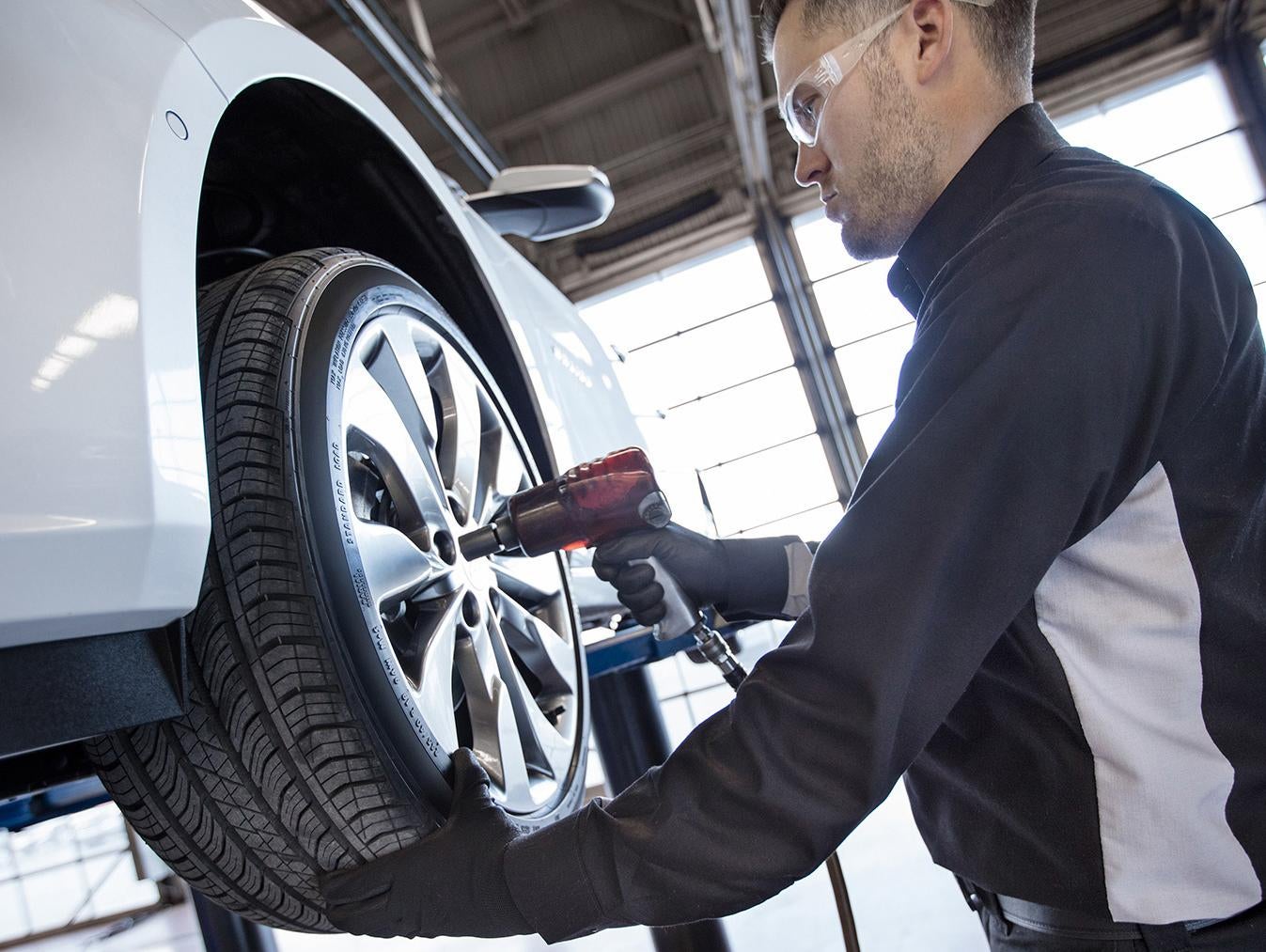
While the terms are often used together, tire rotation and wheel balancing are two distinct services that serve different purposes. Rotation involves physically changing the position of the tires on the vehicle to equalize wear. Balancing, on the other hand, involves using a specialized machine to identify heavy spots in the wheel and tire assembly. A technician then attaches small lead or zinc weights to the rim to ensure the weight is distributed perfectly around the axle.
Failing to balance your wheels can lead to a noticeable vibration in the steering wheel, floorboards, or seats, usually becoming more prominent at speeds above 55 mph. This vibration isn't just an annoyance; it puts a strain on the wheel bearings and steering components. Industry standards generally recommend balancing your tires every time you have them rotated or whenever a tire is repaired. This ensures that as the tread wears down and the weight of the tire changes, the assembly remains perfectly centered.
During a professional service, technicians also take the opportunity to reset the Tire Pressure Monitoring System (TPMS). Since the sensors are located in the wheels, the vehicle needs to "re-learn" which sensor is at which corner of the car after they have been moved. This ensures that if the dashboard light comes on, it accurately tells you which tire is low on air. This level of precision is why many local drivers prefer a professional shop over a DIY approach, as it guarantees all electronic and mechanical systems are synced correctly.
Our Multi-Point Inspection Includes:
- Brake pad thickness and rotor condition
- Suspension bushings and ball joint wear
- Signs of leaks in the shocks or struts
- Wear indicators signaling an alignment need
Modern Chevrolet vehicles feature a Tire Pressure Monitoring System (TPMS). We utilize specialized diagnostic equipment to correctly re-learn your sensor locations post-rotation.
Essential Tools and Safety Steps for DIY Tire Maintenance
Performing a tire rotation at home is possible if you have the right equipment and a safe place to work. To do the job correctly, you will need a high-quality floor jack, at least two (and preferably four) sturdy jack stands, a lug wrench, and a torque wrench. You should never rely on the "emergency jack" included with your spare tire for routine maintenance, as those are designed for one-time use and lack the stability required for a full rotation.
Safety is the most important factor when lifting a vehicle. Always work on a flat, concrete surface—never on dirt or gravel, which can shift under the weight of the jack. Before lifting, engage the parking brake and place wheel chocks behind the tires that will remain on the ground. Once the vehicle is in the air, lower it onto the jack stands immediately. You should never put any part of your body under a vehicle that is supported only by a hydraulic jack.
When tightening the lug nuts, always use a "star pattern" to ensure the wheel sits flush against the hub. This prevents the brake rotors from warping and ensures the wheel won't wobble. Finally, use a torque wrench to tighten the nuts to the manufacturer's specific foot-pound rating. An over-tightened lug nut can be just as dangerous as a loose one, as it can stretch or snap the wheel studs. For those who prefer the peace of mind that comes with professional equipment, a shop can typically complete this entire process in about 30 to 45 minutes.
Tire Service Options and Maintenance Costs in Riverton
In our local community, a standard tire rotation typically costs between $30 and $50. Many drivers find the best value by bundling this service with a routine oil change, which often reduces the total price. Considering that a new set of high-quality all-terrain tires can cost upwards of $800 to $1,200, spending a small amount twice a year on rotations is one of the smartest financial moves a vehicle owner can make. It effectively doubles the lifespan of your investment.
If you are looking for reliable service, our Riverton location offers comprehensive tire care performed by certified technicians. We also provide "Tire Rotation and Balance" packages for those who want to ensure their ride is as smooth as possible. We know that local residents have several options, including independent shops like Top of the Hill Auto Repair, which typically operates Monday through Friday from 8:00 am to 5:00 pm. Whether you choose a dealership or a local garage, the most important thing is consistency.
Our pride is transparent pricing and honest advice. If your tires are too worn to be safely rotated—meaning the tread has reached 2/32 of an inch or the sidewalls show signs of aging—we will tell you straight. We want to make sure you are ready for whatever the Wyoming weather throws your way. You can reach our service desk at (307) 240-3110 to check for current maintenance specials or to ask about specific tire brands suited for our rugged terrain.
Quick Answers for Your Tire Care Needs
Schedule Your Next Tire Service in Riverton
Keeping your vehicle ready for the demands of Wyoming driving starts with the basics. Whether you are hauling gear to Sinks Canyon or commuting across Fremont County, healthy tires are your first line of defense against the elements. Our team is dedicated to providing the rugged, reliable service you expect from a local partner. Regardless of what you drive, we are here to provide the expert care and honest advice you need to stay moving.
Visit us at 1401 N Federal Blvd, Riverton, WY 82501 or schedule below.